What to Bring on a Kachemak Bay Boat Rental
A practical packing checklist for first-time and returning renters — covering fishing licenses, clothing, footwear, food, and everything else you need before you step aboard at the Homer Harbor.

Key takeaways
What you’ll learn in this article
An Alaska Fishing License is required for everyone 16+ who plans to fish. Get one in advance at admin.adfg.state.ak.us/license or locally in Homer.
Waterproof rubber-soled footwear is non-negotiable. Anything else, like leather soles and cowboy boots, are genuinely dangerous on a wet deck.
Dress in layers. Homer's summer weather ranges from sunny and 70°F to rainy and 45°F — often on the same day.
Take motion sickness medication the night before, not the morning of. It will not work fast enough if you wait.
Before you leave home
Get your Alaska fishing license
If anyone in your group plans to fish then you need an Alaska Sport Fishing License. The law applies to anyone 16 years of age or older. Residents and non-residents pay different rates, so check the current fee schedule when you book.
The easiest way to get one is online before you travel. Head to admin.adfg.state.ak.us/license and print or download your license. You can also purchase one at sporting goods stores and grocery stores in Homer, but don't risk arriving without one — licenses can take a few minutes to process, and you don't want to be sorting that out on the dock at 5:30am.
Licenses are valid either for the calendar year, a 14-day window, or a single day, depending on what you purchase. If you're planning a multi-day rental, make sure your license covers all days you intend to fish.
Alaska Fishing Licenses are required for everyone 16+ fishing on Kachemak Bay. Get yours before you arrive — online is easiest.
What to wear
Dress for the worst, hope for the best
Homer's weather is genuinely unpredictable. A morning that starts clear and 65°F can turn cold, windy, and wet by afternoon, often without warning. Experienced Alaskan fishermen dress for the full range every time they go out, regardless of the forecast.
The system is straightforward: moisture-wicking base layer, insulating mid-layer, and a fully waterproof outer layer on top. The outer layer is not optional. Even if it doesn't rain, spray from chop on the bay will soak everything without a waterproof barrier.
Waterproof outer layer
Your jacket and pants need to be fully waterproof — not water-resistant, not quick-drying, actually waterproof. A cheap set of rain gear from a hardware store works perfectly well for shedding bulk water. The goal is wind and spray protection, not warmth. Your layers underneath handle that.
Footwear
This one matters more than most people expect. Enclosed, rubber-soled waterproof boots or deck shoes are what you need. The deck surface gets wet from spray and fish handling, and any leather-soled shoes — such as dress shoes, cowboy boots, and sandals — have terrible traction when wet. Slipping on a wet deck with a fishing rod in hand is not a fun experience.
Rubber-soled rain boots are ideal. Waterproof hiking boots also work well. The key is the sole: flexible rubber with textured grip.
Gloves and hat
Even in summer, your hands will easily feel colder on the water. The bay usually runs 10 degrees cooler than land. A thin waterproof glove or a pair of wool or fleece mittens goes a long way. A warm hat under your rain jacket hood means you're comfortable in almost any conditions the bay throws at you.
Gear and equipment to bring
What’s already on the boat
K-Bay boats come fully equipped with everything needed for a day of halibut and salmon fishing: halibut and salmon rod and reel combos, downriggers, downrigger balls and clips, assorted sinkers, a landing net, gaff, harpoon, and club. You don't need to bring any of this.
Safety and navigation gear is also fully covered: dual Garmin GPS chartplotter/fishfinders, dual VHF radios, life jackets for adults and children, auto-launching EPIRB distress beacon, inflatable raft, fire extinguisher, first aid kit, anchor, and binoculars. The boat also has a built-in fish box, rod holders, and a porta-pottie.
What to bring yourself
The short version: your preferred tackle and bait, food and drinks for the day, personal items, and your camera.
- Tackle and bait: The boat has the rods and sinkers, but bring whatever specific bait, lures, and terminal tackle you prefer. Local knowledge on what's working at any given time is worth asking about when you book.
- Food and drinks: There's no galley or lunch service. Pack a cooler with enough food and water for a full day. Hot coffee or tea in a thermos is worth its weight in gold on a cool morning. Avoid alcohol — it affects your judgment on the water and is prohibited while operating the vessel.
- Camera: Bring a waterproof case or a dedicated waterproof camera. The scenery and the wildlife on Kachemak Bay are genuinely remarkable, and your phone camera in a dry bag is better than a nice camera left behind because you were worried about spray. Extra memory cards and a backup battery are worth including.
- Sunscreen: Even on overcast days, UV reflection off the water is significant. Bring and apply SPF40+ sunscreen.
- Sunglasses: Polarized lenses are ideal for reducing glare off the water, which makes it significantly easier to spot fish below the surface. They also make navigating safer.
Motion sickness
Take it seriously — even if you think you’re fine
Motion sickness has a way of surprising people who've never been out on the ocean before. The chop and swell on Kachemak Bay is different from a lake or river, and the sensation of being at anchor while the boat rocks in a light swell is different again from being underway. People who have never had motion sickness in their lives have been caught off guard.
The critical thing to understand about all anti-nausea medications is the timing: they need to be in your system before you start feeling sick. They will not work if you take them after nausea begins. By then, you won't be able to keep them down!
Scopolamine patch
This is the most effective option available and the one most commonly recommended by experienced offshore fishermen. It's a prescription patch worn behind the ear and is absorbed through the skin over several hours. For best results, place the patch behind your ear the evening before your trip, not the morning of.
The patch requires a prescription from your doctor. If you're planning a trip and you've ever had motion sickness before — or if you've never been on open ocean — it's worth asking your doctor about. You can check current pricing and availability at goodrx.com/scopolamine.
Over-the-counter options
Dramamine (dimenhydrinate) and Bonine (meclizine) both work, but the same rule applies: timing is everything. For a morning departure, take your first dose the evening before and a second dose on the morning of your trip. Do not wait until you're already at sea and feeling off.
Both medications tend to cause drowsiness, which varies significantly between people. If you haven't taken them before, try a test dose at home before your trip to know how your body responds. The non-drowsy formulas are available and work reasonably well for most people.
Consult your doctor or pharmacist before taking any dose not specified on the label, particularly if you're taking other medications.
Take motion sickness medication the night before your trip, not the morning of. It won't work fast enough if you wait until you feel sick.
After the catch — fish processing
What happens to your fish after a successful day
If your day goes well — and halibut limits are genuinely achievable on Kachemak Bay during summer — you'll come back to the dock with fish that need processing. Here's what to know.
Free filleting at the harbor
Fish filleting tables are available for personal use at no charge at the Homer Harbor. You can fillet your own catch using the provided stations and dispose of the carcasses properly. This is the simplest option if you have the skills and tools, or if you're driving home and can transport fresh fillets on ice.
Professional processing services
If you want your fish vacuum packaged, flash-frozen, smoked, or shipped home, Homer has several professional fish processing operations. Both of the following offer free fish pick-up from the harbor:
- Coal Point Seafoods — welovefish.com
- Homer Fish Processing — homerfishprocessing.com
Call ahead to confirm current availability and pricing, particularly during peak summer season when demand is high.
Traveling with fish
Bringing fish home as checked baggage is doable and requires planning. Styrofoam-lined fish boxes are available for purchase locally in Homer and can keep fish frozen for roughly 24 hours in transit. Alaska Airlines operates freezers at some airports to store fish boxes if your connection is delayed — call ahead to confirm this is available on your specific route.
A practical tip from experienced fishing travelers: pack lightly on the way to Homer, or bring a bag of clothes you're willing to leave behind, so you have room in your luggage for fish on the way back. Checked fish baggage fees add up, but they're far cheaper than shipping frozen fish by freight.
prepare for adventure
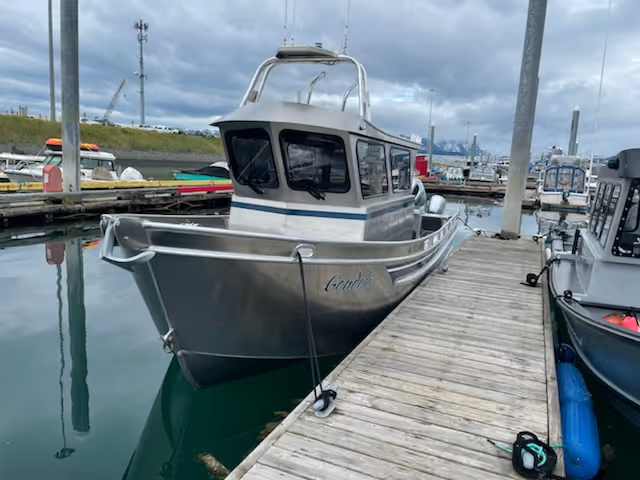
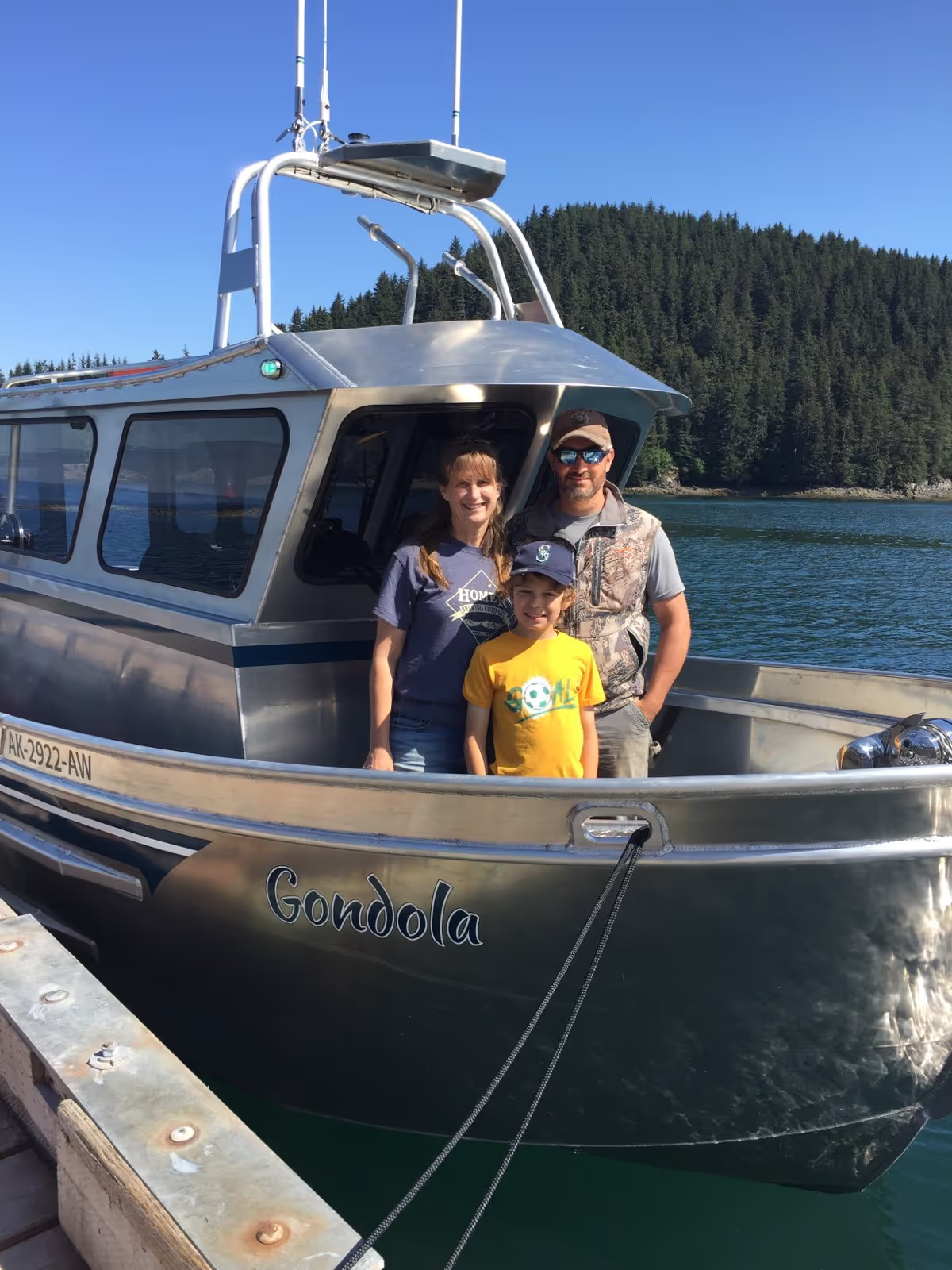
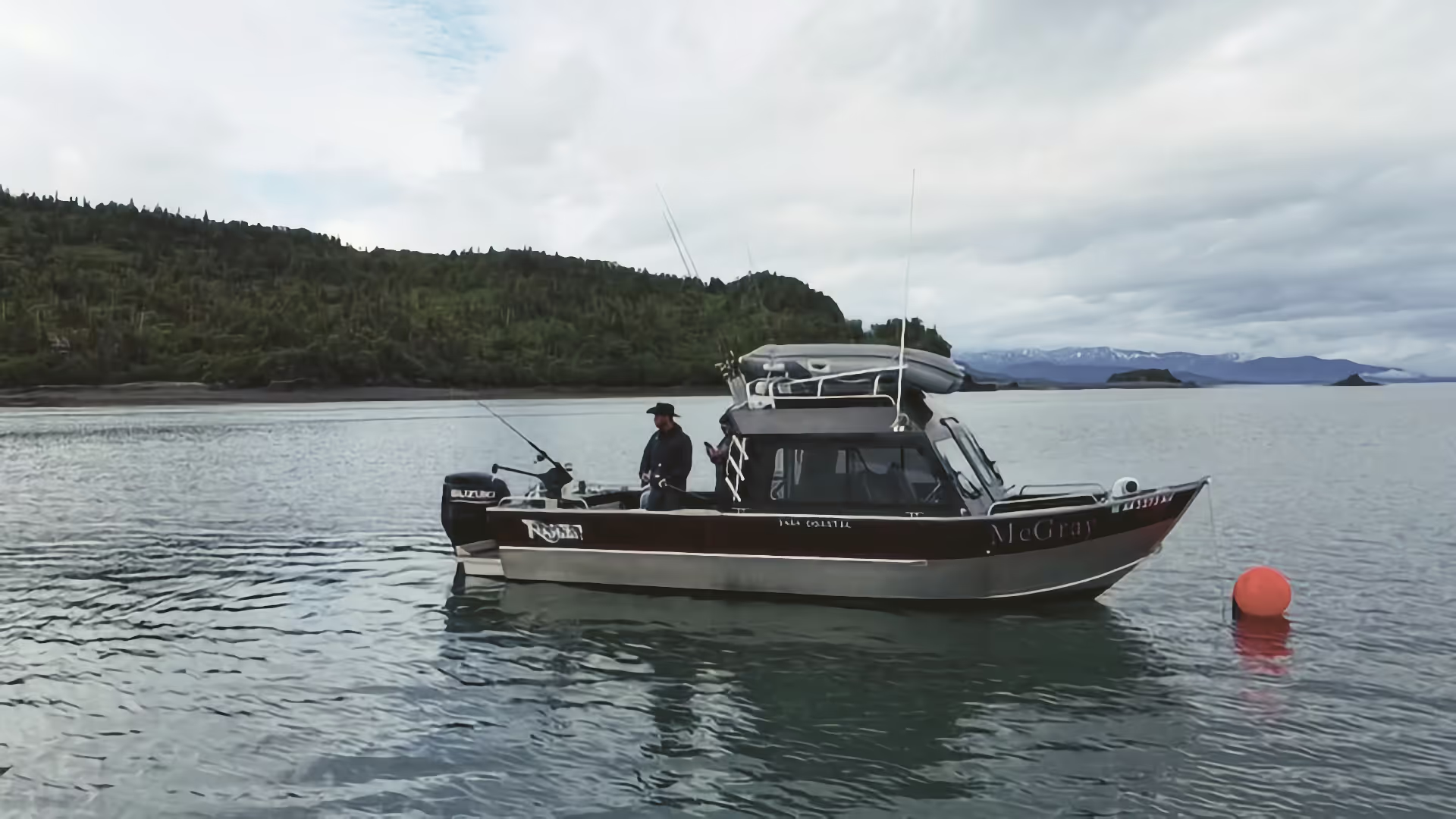

Ready to get on the water?
Book your day on Kachemak Bay
Fully equipped boats available May–August from Homer Harbor. McGray, Gondola, and Sea Runner — check availability and reserve your date.